
Standards used/referenced:
IES LM79: Electrical and Photometric Measurements of Solid-State Lighting Products
CIE 121: The Photometry and Goniophotometry of Luminaires.
ANSI/IES TM-30: IES Method for Evaluating Light Source Color Rendition
Test details:
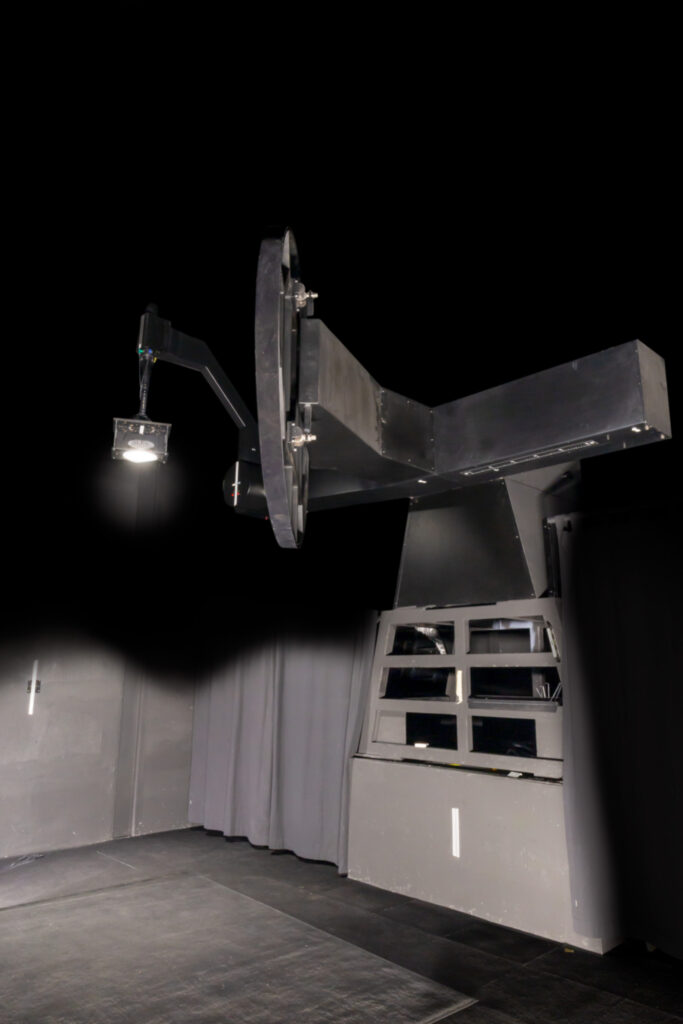
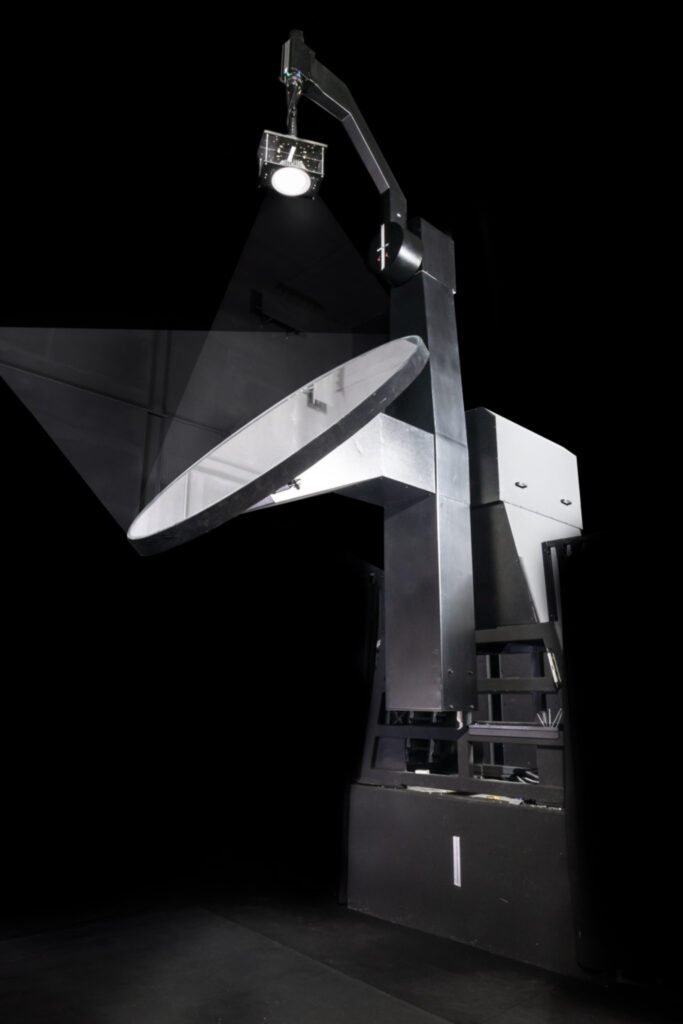
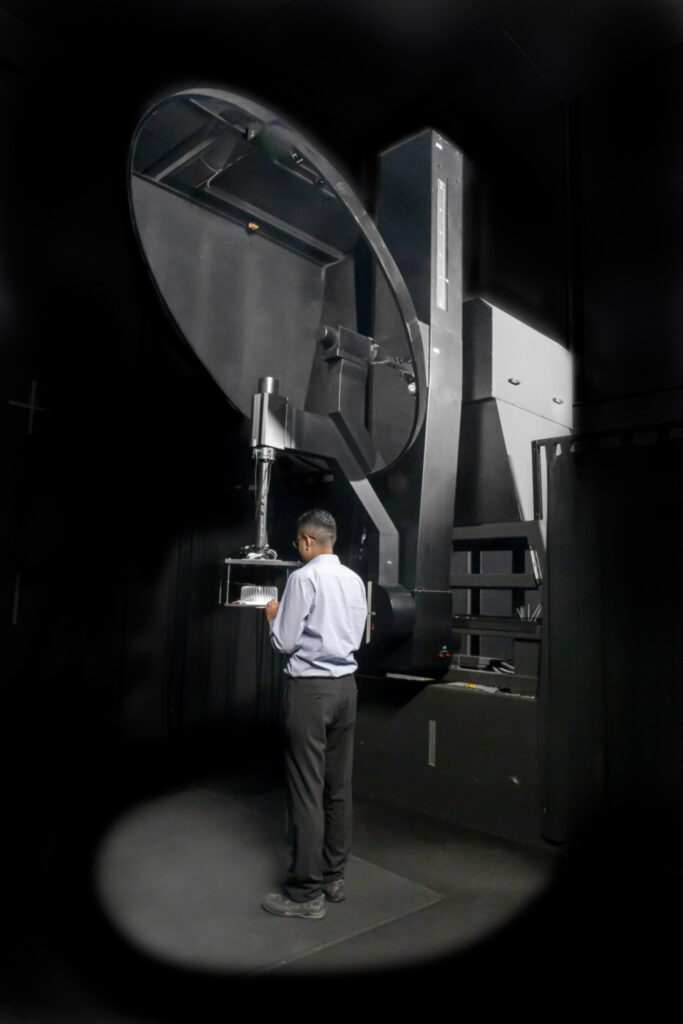
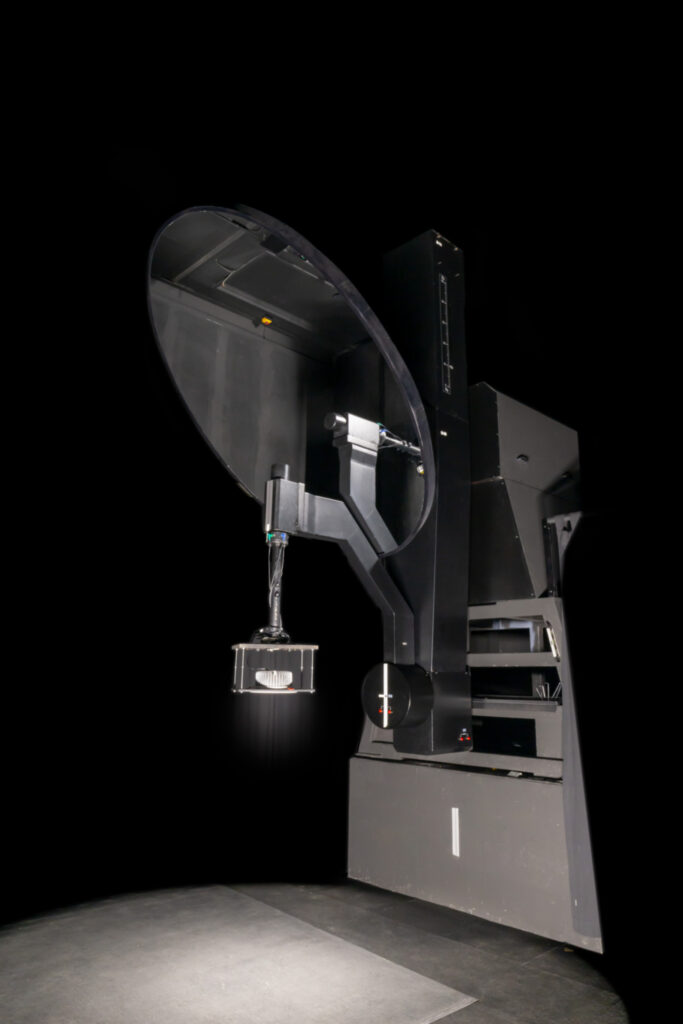
The IESNA approved method involves testing the luminaire at 25°C ambient and observes the stabilization, orientation, and power supply with test equipment to analyse luminaires.
LM-79 requires that solid state lighting products be tested using “Absolute Photometry.” Conventional HID/ Fluorescent testing uses “Relative Photometry.” Absolute Photometry measures the lumen output of LED-based luminaires and is dependent on the LED chip, thermal management, drive current, and optical system. LED-based luminaires and lamps must be tested as a complete unit or system.
Report inclusions:
The LM-79 report we provide you will include the following required information: Total light output, voltage, current, power, calculated efficacy, lumen distribution, CCT, CRI, chromaticity, spectral distribution, TM-30, testing lab, equipment used, and details and photos of the luminaire.
For a sample test report, please contact us.
TM-30 Colour Evaluation
TM-30 is a modern method for evaluating how light renders colours, providing both a fidelity index (Rf) and a gamut index (Rg). Unlike traditional CRI, TM-30 gives a more comprehensive understanding of colour appearance, helping designers and manufacturers ensure lighting looks vibrant, natural, and true to life.
Cyanosis Observation Index (COI)
Standards used/referenced:
AS/NZS 1680.2.5:2018: Interior and workplace lighting Part 2.5: Hospitals and medical tasks
Test details:
AS/NZS 1680.2.5:2018 specifies the following required properties of a light source used in areas where the tasks include visual observations of the skin colouration to detect conditions such as cyanosis and jaundice.
- The Correlated Colour Temperature (CCT) of the source should be between 3300K and 5300K
- Color Rendering Index (CRI) equal to or greater than 80
- The Cyanosis Observation Index should not be greater than 3.3
After performing photometric test according to IES LM79, the COI of a light source can be calculated using its Spectral Power Distribution (SPD) data and an Excel spreadsheet calculation.
Report inclusions:
We will provide LM-79 report including Cyanosis Observation Index (COI).
For a sample test report, please contact us.